Hybrid Project Management: Combining Traditional and Agile Approaches
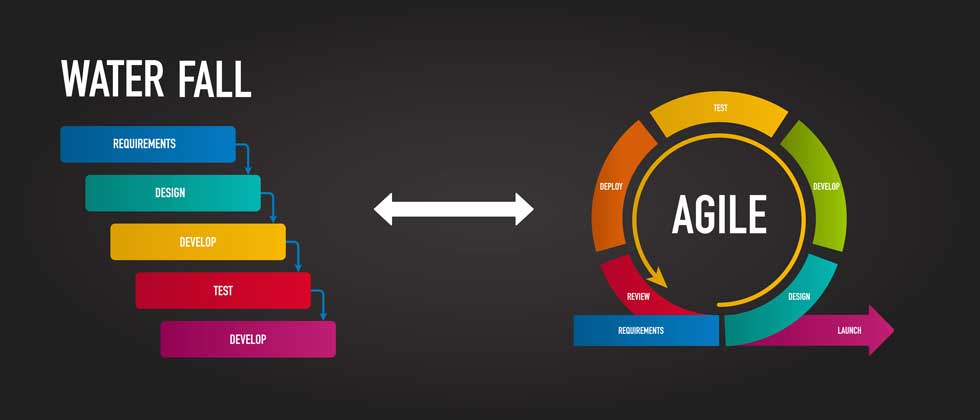
In today’s fast-paced business environment, organisations are continually seeking ways to enhance their project management practices. The traditional waterfall approach, characterised by its linear and structured methodology, has long been a staple in project management. However, the rise of Agile methodologies, known for their flexibility and iterative processes, has introduced new dynamics into the field. As a result, many organisations are exploring hybrid project management, an approach that combines the best of both traditional and Agile practices. This blog post will delve into the benefits and challenges of integrating these two methodologies.
Understanding Hybrid Project Management
Hybrid project management is a versatile approach that blends elements of traditional project management (waterfall) with Agile methodologies. The primary objective is to leverage the structured planning and comprehensive documentation of the waterfall model while incorporating the flexibility, adaptability, and customer-centric focus of Agile practices.
Benefits of Hybrid Project Management
Enhanced Flexibility and Adaptability
Comprehensive Planning with Iterative Progress
Improved Stakeholder Communication
Risk Management
Optimised Resource Utilisation
Challenges of Hybrid Project Management
Cultural Integration
Complexity in Implementation
Potential for Conflicting Priorities
Resource Management Challenges
Maintaining Consistency and Quality
Best Practices for Implementing Hybrid Project Management
To successfully implement hybrid project management, organisations can follow these best practices:
- Define Clear Objectives and Scope
- Tailor the Approach to the Project
- Foster a Collaborative Culture
- Invest in Training and Development
- Monitor and Adjust
Conclusion
Hybrid project management offers a compelling solution for organisations looking to leverage the strengths of both traditional and Agile methodologies. By combining structured planning with flexibility and adaptability, hybrid project management can enhance project success, improve stakeholder communication, and optimise resource utilisation. However, it also presents challenges such as cultural integration, increased complexity, and potential conflicts. By following best practices and fostering a collaborative team culture, organisations can effectively implement hybrid project management and achieve their project objectives.
Article written by David McCreevy 5th June 2024
https://www.linkedin.com/pulse/hybrid-project-management-combining-traditional-agile-david-mccreery-7ij1e/

Ready to lead better
The principles that work in the field work everywhere. Let us show you how to apply them to your projects.

More from the field
Practical lessons from three decades of project work